

In the high-velocity retail landscape of 2026, static PDFs and legacy flipbooks have become liabilities. High-growth brands are now pivoting to authoritative content-to-commerce strategies that transform every visual asset into a high-performance transaction point. To stay competitive, retailers must look at leading digital catalog examples that prioritize measurable revenue growth—specifically lifting AOV and conversion rates—rather than passive browsing.
Syndeca eliminates the "fragmentation tax" of legacy tools by deploying interactive layers on top of existing creative assets. This allows brands to bridge the gap between inspiration and checkout without the overhead of site redesigns. These digital catalog examples demonstrate how to shorten the path to purchase through merchandising intelligence.
- Accelerate product discovery through interactive hotspots
- Deliver mobile-first, gesture-supported shopping experiences
- Launch seasonal campaigns in hours, not weeks
- Increase basket sizes with Shop-the-Look functionality
- Maximize the ROI of existing lifestyle photography and video
Defining the Shoppable Experience Standard
A true visual commerce experience is not a digital brochure; it is a performant, data-connected shopping destination.
High-impact digital experiences must include:
- Seamless ecommerce integration (Quick View & Add-to-Bag)
- Live product data sync (pricing, availability, SKUs)
- Optimized loading performance and CDN delivery
- Full gesture support for touch-first navigation
- Integrated tracking and third-party analytics attribution
- Interactive video and rich media embedding
- Contextual hotspot placement
9 Inspiring Digital Catalog Examples That Actually Drive Commerce
1. Frank & Eileen: Transforming Inspiration into Instant Action
Frank & Eileen utilizes Syndeca to turn high-end lifestyle photography into an active storefront. By embedding shoppable hotspots directly onto apparel within California-inspired spreads, they remove the friction of traditional navigation. This approach ensures that the moment a customer is inspired by a look, they can view sizing and pricing via a Quick View overlay and add to bag without leaving the narrative experience.
Products are naturally integrated into editorial spreads, allowing shoppers to transition from inspiration to purchase in a single tap.
Why We Love It
By contextualizing products within aspirational content, Frank & Eileen sees engagement times lift by over 30%, as customers are 2-4 times more likely to convert when shopping through interactive lifestyle layers compared to standard grids.
Lifestyle merchandising helps shoppers visualize products in real-world contexts and encourages deeper engagement.

2. Johnny Was: Blending Brand Narrative with High-Performance Commerce
Johnny Was delivers a luxury "editorial commerce" experience that functions with the speed of a native app. They use Syndeca to solve the fragmentation of campaign pages that traditionally act as dead-ends. Instead, their interactive lookbook serves as a continuous shopping engine where rich storytelling and one-click purchasing coexist.
By embedding shoppable layers into their rich imagery, they eliminate the "dead-end" campaign page, ensuring every story has a path to purchase.
Why We Love It
Allowing discovery and transaction to happen simultaneously reduces bounce rates and increases session depth, as shoppers never have to choose between reading the story and buying the product.
They allow both to happen simultaneously.
3. White House Black Market: Driving AOV Through Curated Styling
White House Black Market masters the "Shop-the-Look" methodology. Using Syndeca's interactive layers, they group multiple items—tops, bottoms, and accessories—into a single shoppable moment. This merchandising intelligence guides the user from interest in a single SKU to purchasing a full, coordinated outfit.
This strategy leverages merchandising intelligence to shorten the customer journey from a single item to a complete styled look.
Why We Love It
Showing products in a styled, coordinated context has been proven to lift average order values (AOV) by up to 184% by facilitating effortless cross-category discovery.
Showing complete looks increases product discovery and creates opportunities for larger basket sizes.
4. Chico's: Maximizing Campaign ROI via Shoppable Destinations
Chico's leverages Syndeca to rapidly launch seasonal campaigns that act as high-converting landing pages. By converting static print assets into interactive digital catalog examples, they provide a more engaging destination for email and social traffic than a standard category grid.
These experiences act as a bridge between performance marketing and the product page, providing a more engaging landing experience for email and social traffic.
Why We Love It
Interactive commerce environments increase conversion rates from image views by over 2.1x compared to static landing pages, maximizing the ROI of every campaign dollar spent.
Digital catalogs allow retailers to merchandise entire collections in a way that ecommerce category pages often cannot.

5. Soma: Mobile-First Strategy for the Modern Shopper
Soma prioritizes a mobile-first UX, utilizing Syndeca's responsive HTML5 to ensure fast loading and thumb-friendly navigation. They focus on vertical scrolling layouts and sticky add-to-bag functionality to capture the dominant portion of their retail traffic that shops via mobile.
Their strategy focuses on removing friction from the mobile path to purchase, which is critical given the dominance of mobile retail traffic.
Why We Love It
Mobile-optimized shoppable content can drive a 400% lift in customer response rates, as it eliminates the friction of zooming or navigating multiple tabs on small screens.
A catalog that performs poorly on mobile devices creates friction and reduces engagement.

6. Bass Pro Shops: Simplifying Discovery with Guided Merchandising
Bass Pro Shops uses Syndeca to organize vast inventories into themed, activity-based guides. This guided merchandising reduces decision fatigue by presenting gear in realistic outdoor contexts, allowing shoppers to identify exactly what they need for their next excursion.
By presenting products in a realistic outdoor context, they help shoppers instantly identify the gear they need.
Why We Love It
Contextual organization reduces discovery friction, leading to higher engagement times and a stronger alignment with high-intent consumer behavior.
Guided merchandising reduces decision fatigue.

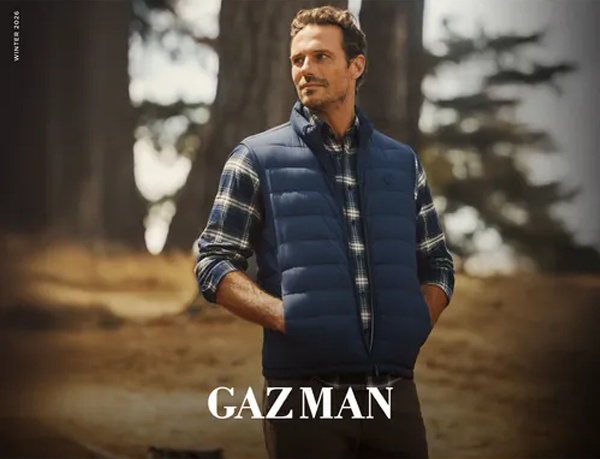
7. Gazman: Strengthening Identity Through Lifestyle-Led Merchandising
Gazman turns "brand moments" into revenue by showcasing apparel within aspirational settings that resonate with their audience. By using Syndeca to add frictionless shopping layers to lifestyle imagery, they create an emotional bond that leads directly to a transaction.
This "inspiration first" approach creates a stronger emotional bond, resulting in longer session durations and deeper brand affinity.
Why We Love It
Visual storytelling coupled with instant shoppability can yield a 308% increase in conversion rates for international apparel brands by leveraging the power of "inspiration first" shopping.
Visual storytelling creates stronger emotional engagement.
8. NYDJ: Enhancing Product Discovery via Shoppable Styling
NYDJ uses Syndeca's shoppable lookbooks to encourage cross-category exploration. By highlighting how complex fits work together in styled photography, they simplify the journey for shoppers looking to build a complete wardrobe.
By prioritizing on-model and styled photography, they effectively shorten the path to purchase for complex fits and full looks.
Why We Love It
Styling advice and outfit-based merchandising lead to a 150% increase in conversion rates, as customers shop with greater confidence in the product's real-world application.

9. Johnnie-O: Occasion-Driven Merchandising Over Taxonomy
johnnie-O rejects standard product taxonomies in favor of lifestyle-led, occasion-driven merchandising. Their shoppable content is organized around events and activities, mirroring how their customers naturally shop for their lives.
By framing collections around context, they make their product assortment more relatable and actionable.
Why We Love It
Aligning commerce experiences with consumer intent drives engagement and captures demand that traditional category grids often miss, yielding up to 63% increases in overall demand.
Collection-driven experiences align more closely with how people actually shop.

The Syndeca Blueprint: Architecture for High-Converting Visual Experiences
While unique in their audience, these top performers share the Syndeca-defined blueprint for visual commerce success:
- Authoritative visual storytelling
- Mobile-first, gesture-driven UX
- Live-data-connected merchandising
- Contextual hotspot and "Shop-the-Look" layers
- Zero-friction paths to purchase (Add-to-Bag)
Why Modern Retailers Are Abandoning Legacy E-Catalog Publishing
Moving Beyond the Legacy Flipbook
Legacy platforms that simply convert PDFs into flippable "ecatalogs" fail to bridge the gap between inspiration and transaction. Today's retailers require revenue-generating assets that eliminate the "fragmentation tax" of slow-loading, non-shoppable legacy tools.
The shift from "digital brochure" to commerce experiences reuires a system that supports automated tagging, live data sync, and high-speed CDN delivery to ensure zero friction in the path to purchase.
Modern visual commerce requires:
- High-speed, CDN-delivered performance
- Automated product tagging via live data feeds
- Direct integration with Shopify, Salesforce, and IBM systems
The future of digital retail is the elimination of the gap between content and the checkout bag.
The Future of Shoppable Strategy
Syndeca enables a seamless progression from inspiration to purchase: Campaign Hero → Shoppable Lookbook → Quick View → Cart.
- Storytelling
- Merchandising
- Product discovery
- Ecommerce
Leading brands use this roadmap to create engaging, commerce-connected experiences that customers actually want to explore, yielding up to 63% increases in overall demand.
Your brand invests in premium creative; Syndeca makes that creative work harder by making it shoppable everywhere.
Turn inspiration into action effortlessly.
In Summary: Make Your Imagery Sell
The most successful visual commerce examples share a single philosophy: they don't just display; they convert. By adopting shoppable layers, retailers can improve discovery and conversion without the cost or delay of a site redesign.
Syndeca provides the tools to transform existing content into revenue-generating experiences that shorten the path to purchase. Whether it’s a lookbook, a seasonal guide, or shoppable video, the goal is always to maximize the value of your visual assets.
For retailers looking to drive measurable ecommerce growth, the opportunity isn't just a digital catalog. It's a high-performance visual commerce experience.
About the author

This is some text inside of a div block.
Lorem ipsum dolor sit amet, consectetur adipiscing elit. Suspendisse varius enim in eros elementum tristique. Duis cursus, mi quis viverra ornare, eros dolor interdum nulla, ut commodo diam libero vitae erat. Aenean faucibus nibh et justo cursus id rutrum lorem imperdiet. Nunc ut sem vitae risus tristique posuere.


© 2026 Synapse Group Corporation. All rights reserved. | Privacy Policy | Terms of Use | Support Policy